My tour to Fukushima Daiichi July 2025
About one year ago, when I was traveling Japan, I had the privilege of taking the Real Fukushima tour to see Fukushima Daiichi (福島第一原子力発電所), tour the facility and see where the 2011 meltdown happened. Also, I was able to see the surrounding area such as the town of Futaba and the Ukedo Elementary School.
We got picked up at roughly 8 am at the Tomioka Train Station, which was rebuilt in 2017 after the 2011 tsunami destroyed the original one (see the images below).
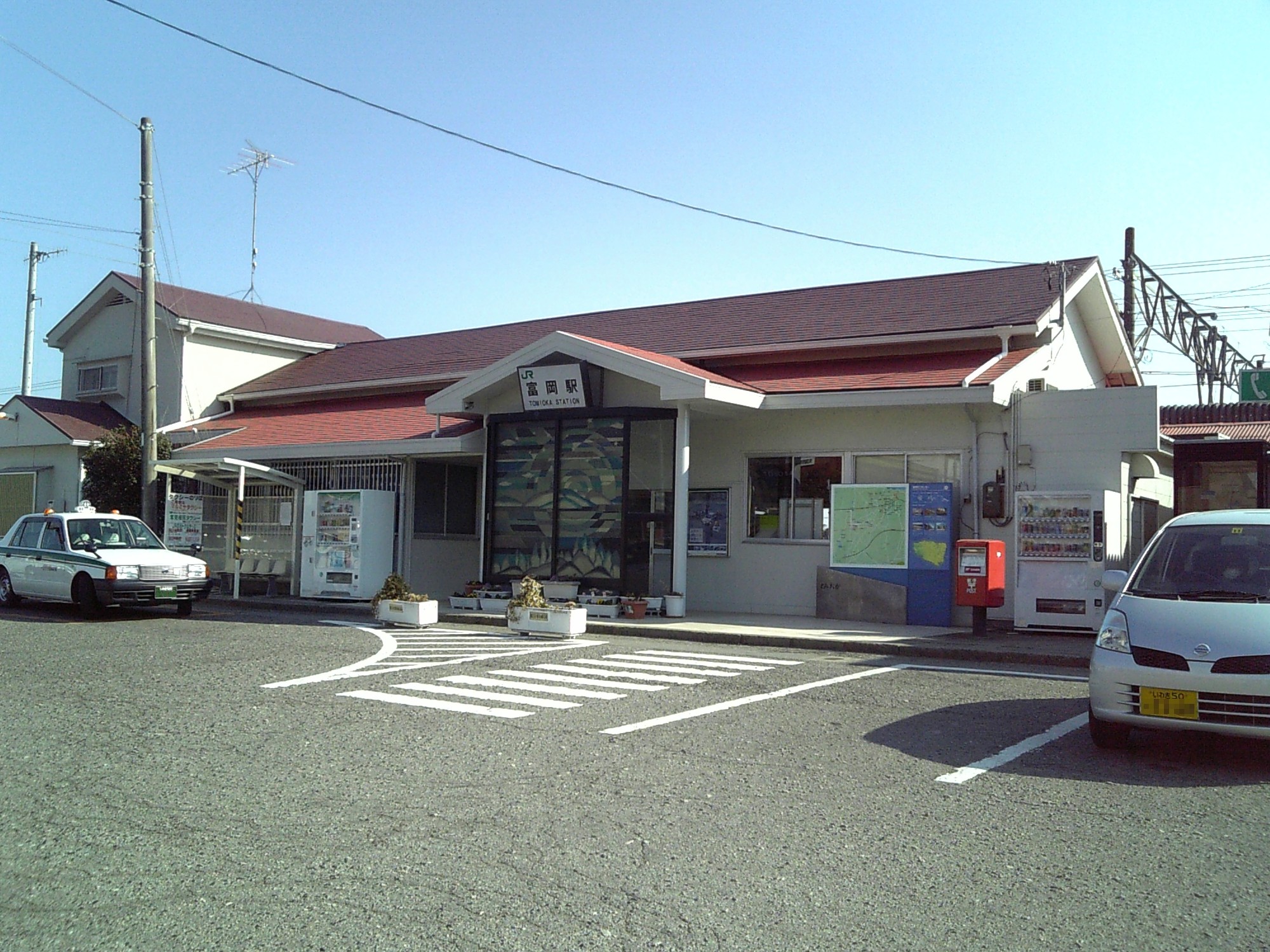
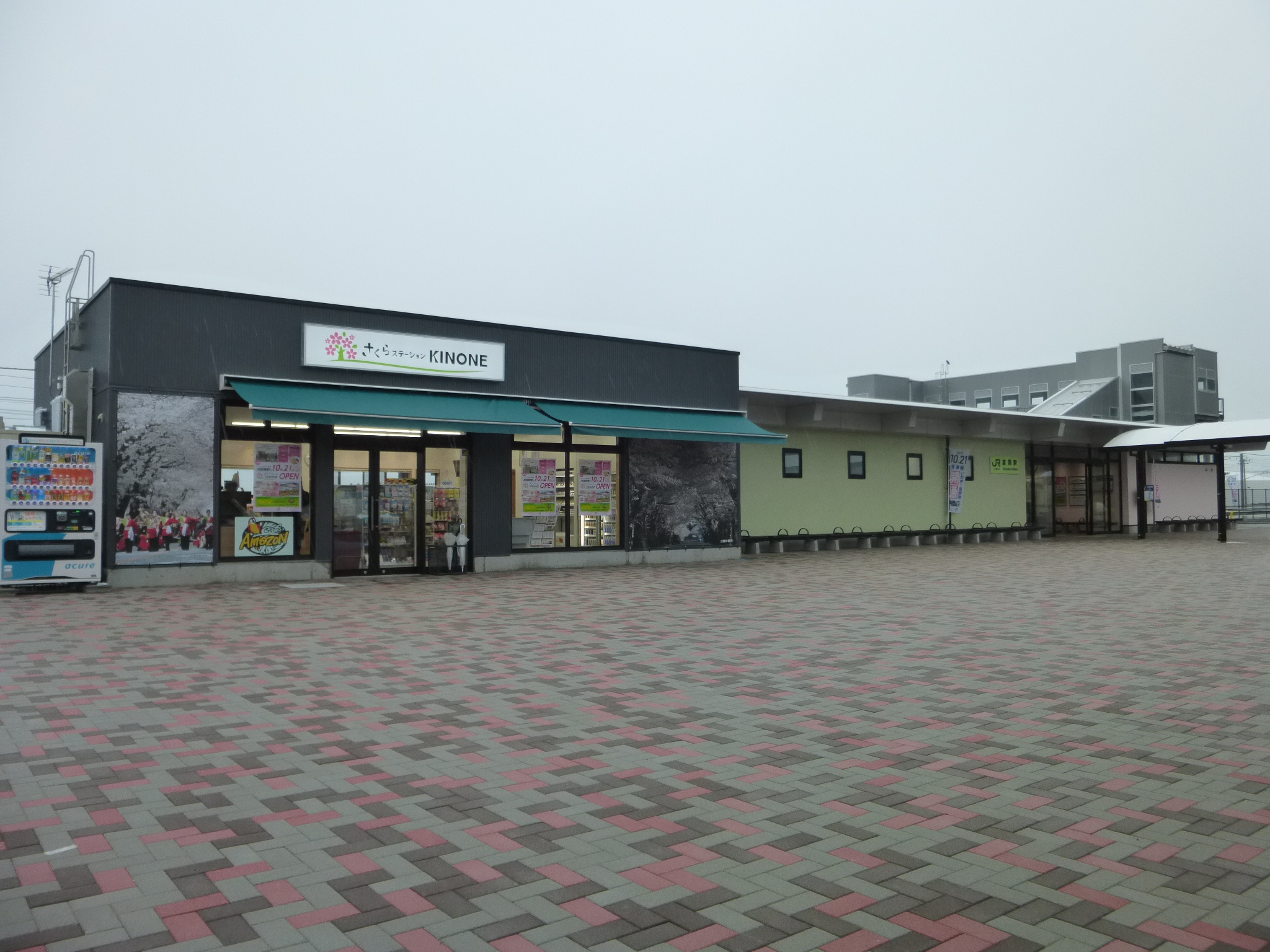


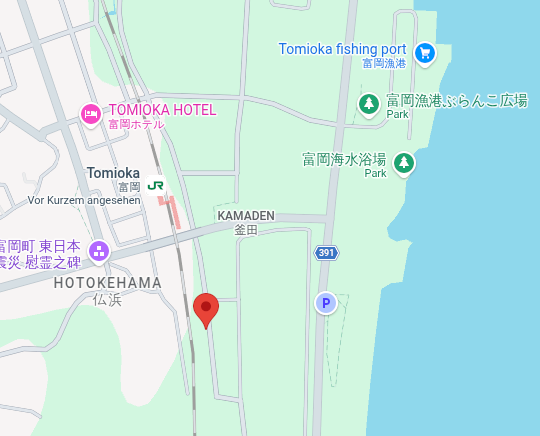
This gave the station a quite eerie feeling, as it also has no station attendants and no shops nearby.
For our first stop, we headed to the TEPCO Decommissioning Archive Center, where we received safety information for our visit to the actual powerplant site and a presentation on the currently ongoing procedures regarding the decommissioning of the remaining reactors and the radioactive material inside, as well as the treatment of radioactive water used to cool the remaining debris. We also received temporary geiger counters to record the amount of radiation we receive.
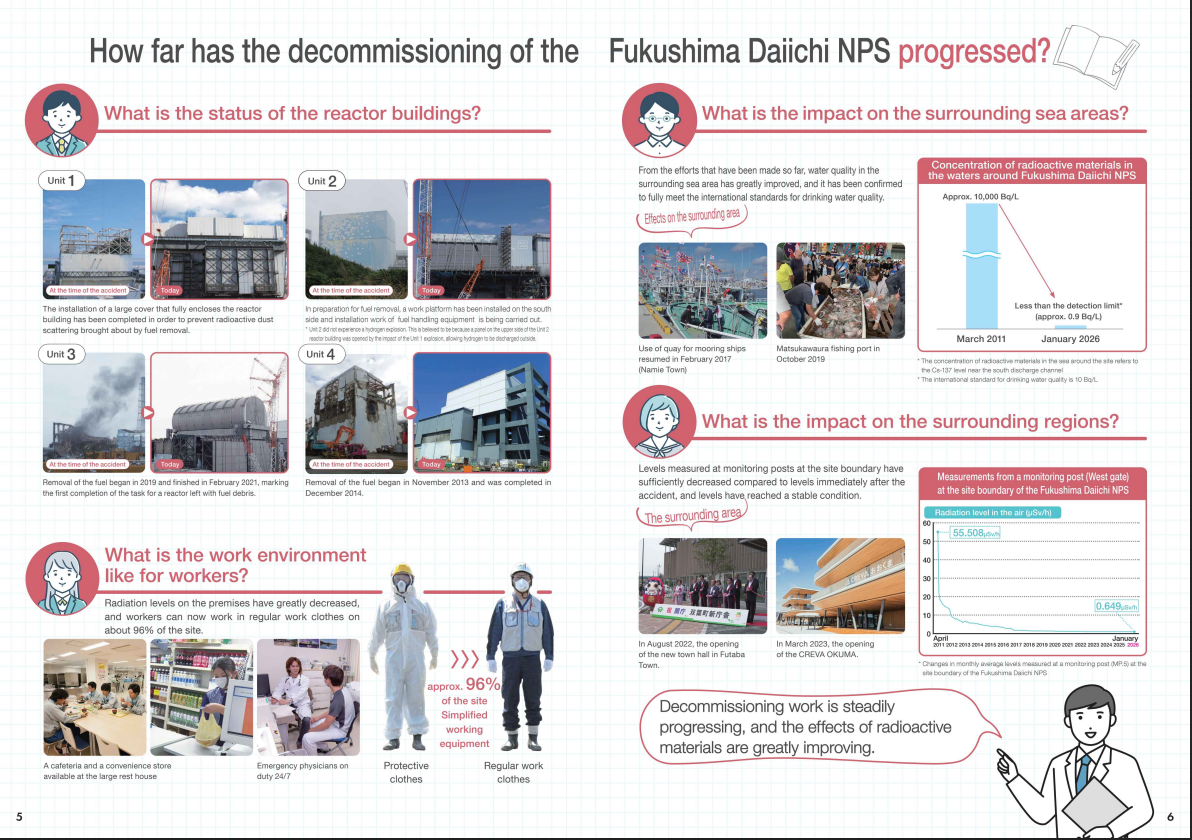
As you can see by the picture above, while the water treatment facility is working well and treated water is continuously released into the sea, the efforts on the reactor units themselves are still underway, with a planned finish date in the next 30-40 years. (The day after this tour I saw fishermen protesting the release of the radioactive water, citing low sales for fish from Fukushima’s shores. According to this article, TEPCO compensates fishers for lost revenue due to being unable to export their fish to China. The water contains less tritium than the WHO recommends is safe for drinking water, so make of that what you will.) The pdf I linked above goes a lot more into detail about the current decommissioning efforts, so I recommend you to read it if you are interested.
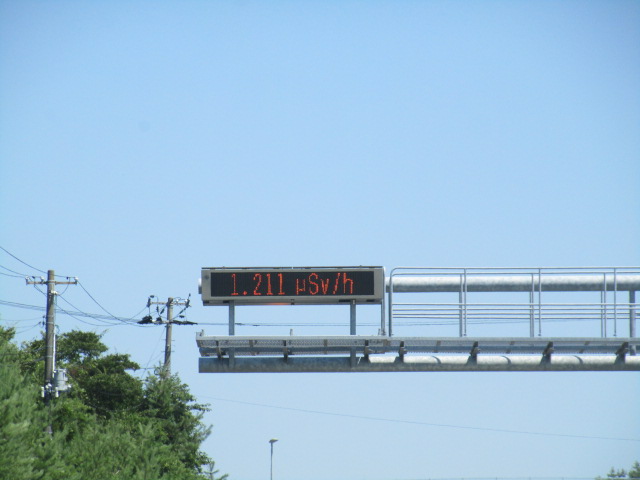
The drive to the site took around 15 minutes and it was amazing to see how quickly nature takes over once we leave. Asphalt roads that were used less than 20 years ago were already being taken over by nature and soon, they will be overgrown by grass. I am pretty sure that the road leading to the powerplant is private and that on the surrounding roads, you are not allowed to stop and get out. There are warning signs posted along the streets as well as geiger counters hanging next to road signs, informing you of the (extremely low) levels of radiation in the area.
Unfortunately, we had to leave our personal belongings there before going to the site and we were generally not allowed to take any photos anyway, so I can only show you the photos TEPCO took. The tour of the site mostly took place inside a bus and we only got off on select points, one of them being a viewpoint of Units 1-4. Because it was incredibly hot that day, TEPCO staff handed out umbrellas.
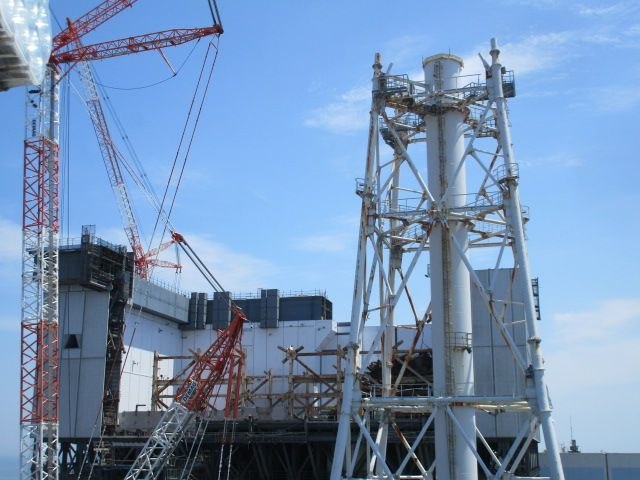
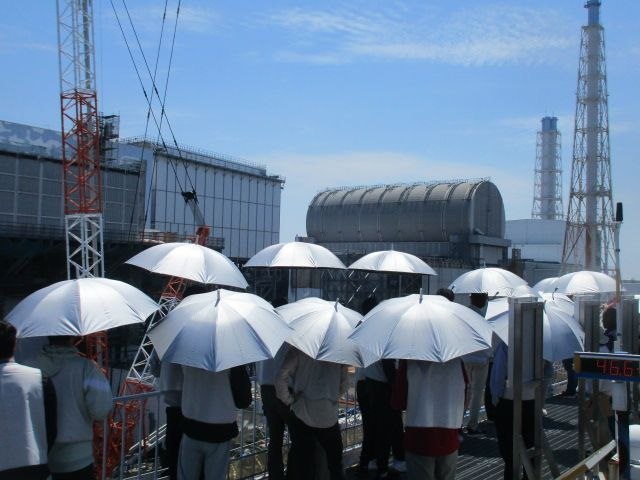
Seeing these in person was strange, after having seen them only in pictures before and considering the impact that this disaster (the earthquake/tsunami as well as the meltdown) has had on the area and the world. My thoughts were and are with the victims, some of which are still affected today.
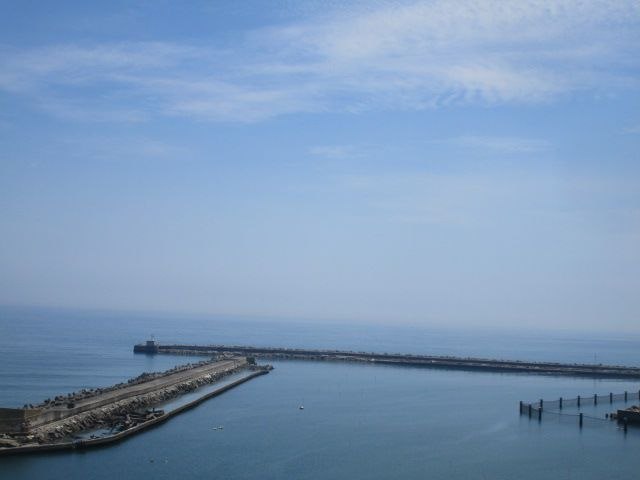
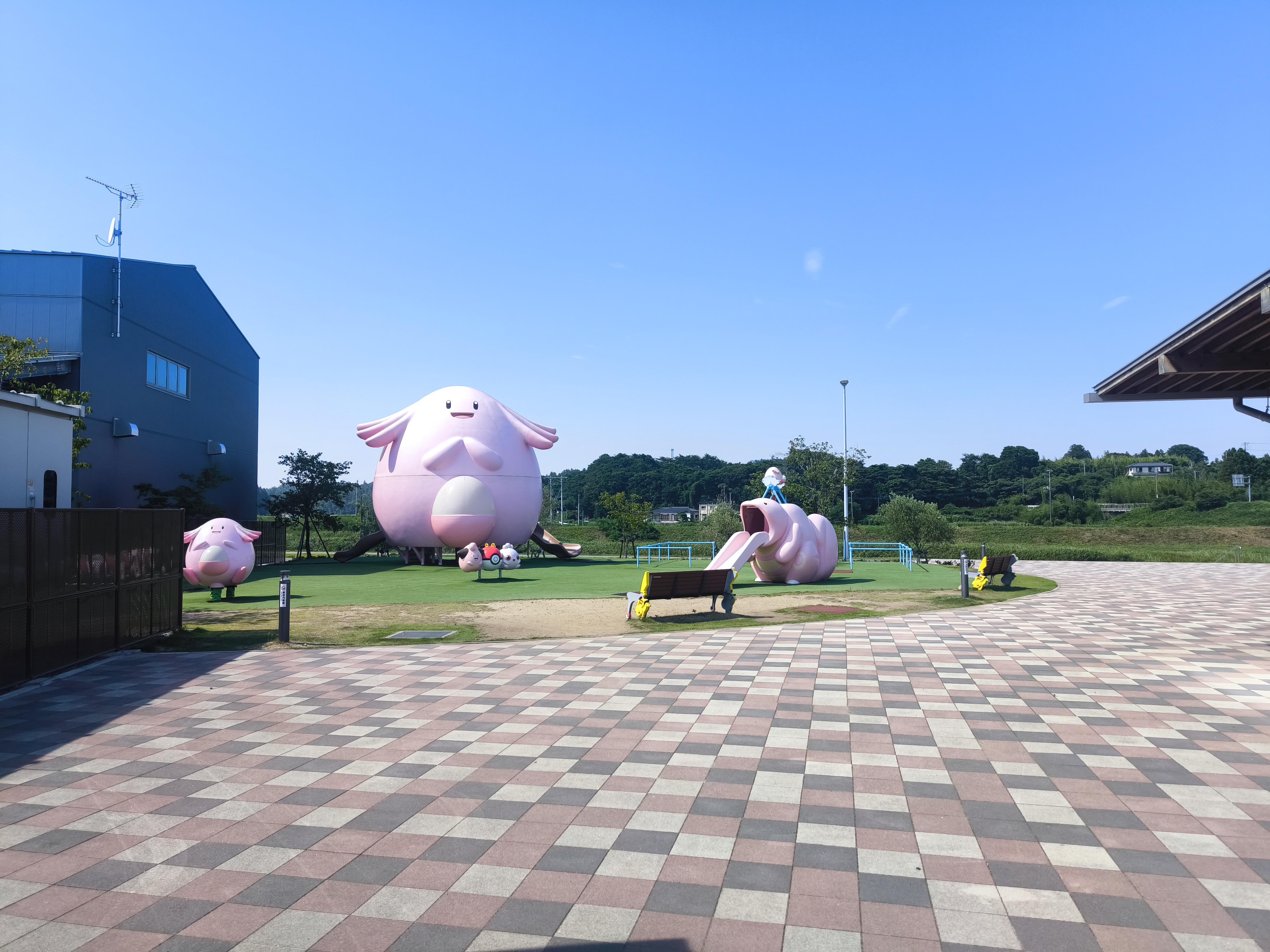
After the tour of the site, we got back on Real Fukushima’s bus and drove around Route 6 and the reopened area close by. We had lunch at Namie Michi-no-Eki, which has a Chansey statue nearby:
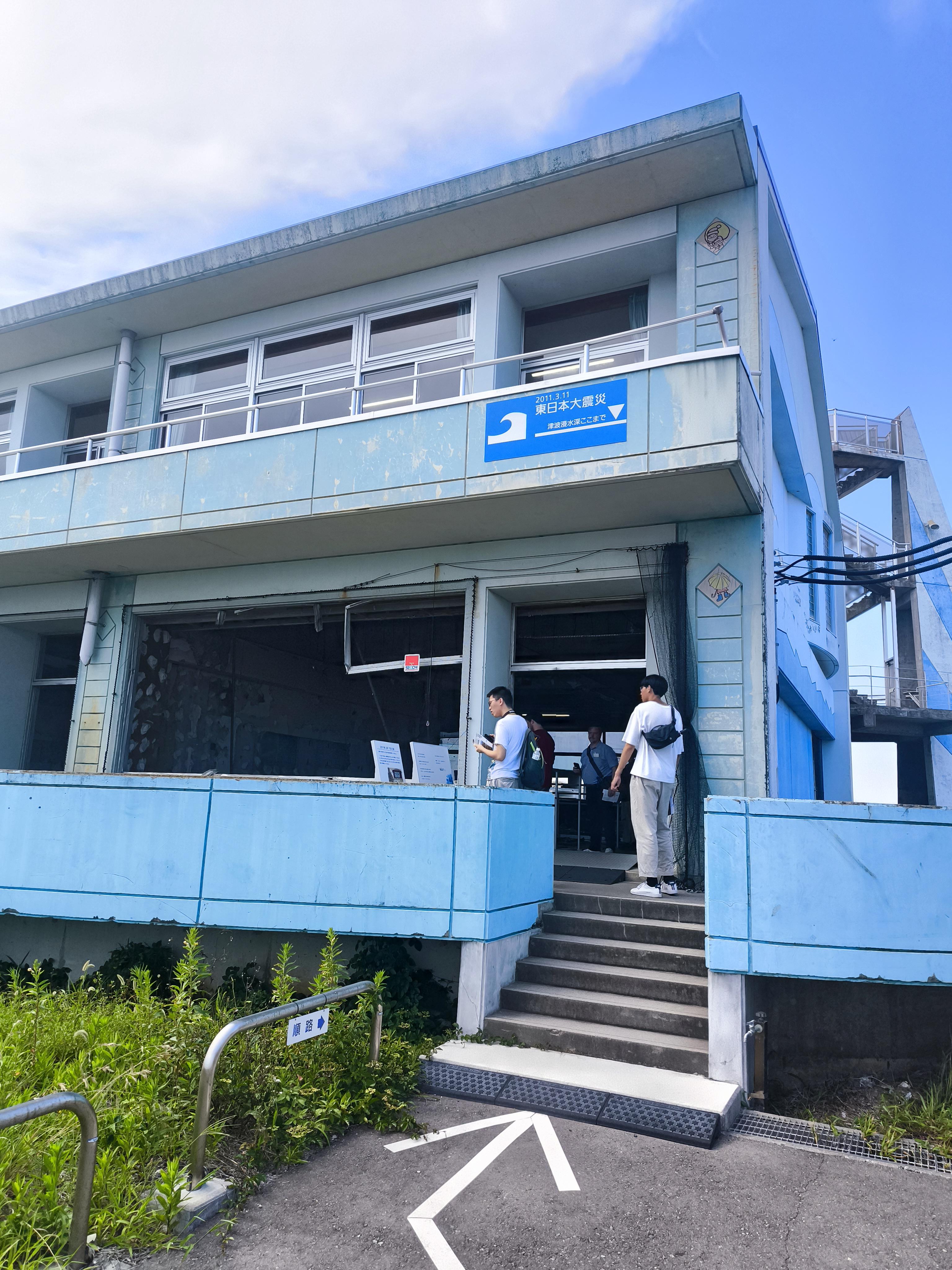
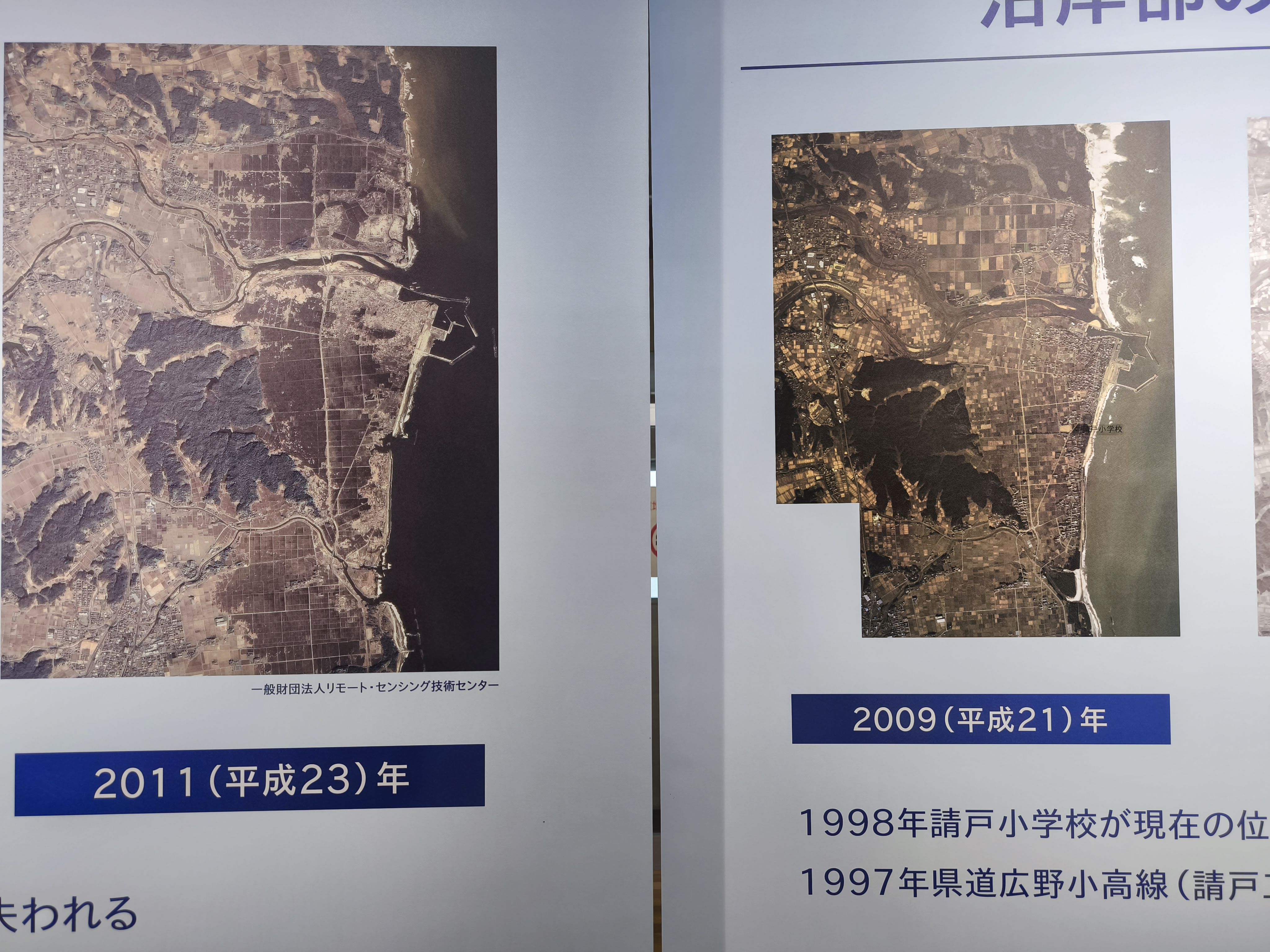
Finally, we visited the Great East Japan Earthquake and Nuclear Disaster Memorial Museum and afterwards, I drove back to Iwaki from Futaba Station.
All in all, I greatly enjoyed this tour and thank the team from Real Fukushima very much. This is a very unique experience which allows you to explore the impact of this disaster.
After the tour, I was asked by the team of Real Fukushima to do a comparison of the nuclear disasters at Fukushima and Chernobyl, you can find a summary slide here and a short video with more information on both the accidents and basics of nuclear powerplants here.